
A well-run festival feels almost effortless to the people attending it. The queues move, the food is good, there is always something to look at, and nobody ends up stranded in a dead corner of the venue wondering what to do next. Behind that experience, though, is a lot of deliberate planning that often goes unnoticed precisely because it worked.
Whether you are organising a community event, a school carnival, or a large outdoor festival, the fundamentals are the same. Here is what actually makes the difference.
The single most common mistake in festival planning is building everything around your expected headcount and ignoring the very real possibility that more people show up. A good rule of thumb is to plan for 1.5 times your projected attendance, particularly for free or open events where walk-ins are common.
Beyond numbers, think about how your crowd will physically move through the space. Spreading activities and food stalls across the venue, rather than clustering everything in one spot, naturally prevents bottlenecks and keeps energy distributed. Map your crowd flow before the event day, not on it.
Stage performances are great, but they hold attention for a limited time. A 20 to 30-minute set tends to land better than a long one, and varying the format, from performances to games to giveaways, keeps things moving. The real trick, though, is pairing stage acts with interactive touchpoints scattered across the venue.
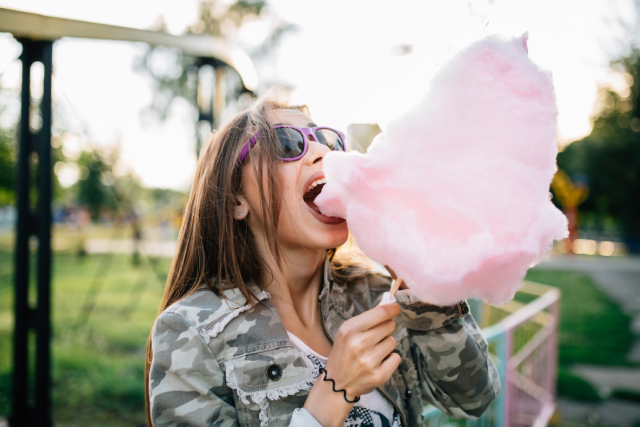
A food live station where something is being made in real time, popcorn being freshly popped, cotton candy being spun to order, creates a natural spectacle. People stop, watch, and join in. It turns a transaction into an experience, which is exactly the kind of moment that sticks. For multigenerational crowds especially, this kind of hands-on engagement tends to work better than anything happening on a stage 50 metres away.
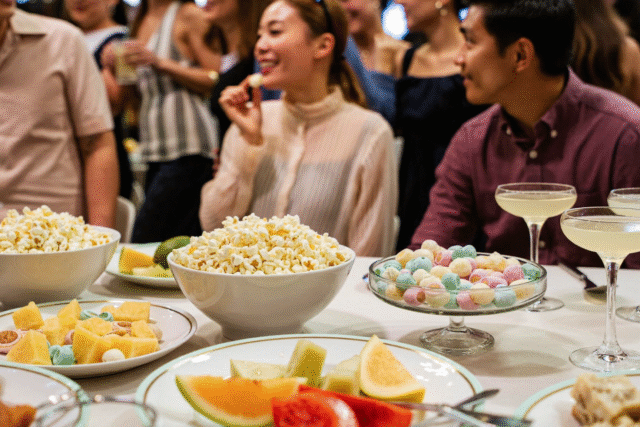
When thinking about how live stations and pre-packed snacks compare for events, the takeaway is usually that live stations win on atmosphere while pre-packed options win on convenience, and the best setups use both.
Food at a festival is a big part of what people remember, and the way it is set up shapes how smoothly the whole event runs. Prioritise grab-and-go options over sit-down ones since they move crowds far more efficiently and suit the energy of a lively outdoor event. Light, easy-to-carry snacks like popcorn, cotton candy, and finger foods work particularly well because they do not require plates, cutlery, or a table.
For events in Singapore, halal certification is a practical non-negotiable. With a diverse attendee base spanning different communities and backgrounds, offering halal-certified food means everyone can participate without having to check labels or seek out specific stalls. Spreading your food options across the venue rather than centralising them at one point also significantly reduces congestion around mealtimes.
No festival eliminates queues entirely, but the good ones make them bearable. Clear signage is the starting point so that people always know where they are headed and roughly how long the wait will be. Pre-ticketing or wristbands for high-demand activities help prevent surges and give attendees a sense of security.
Beyond logistics, the atmosphere around a queue matters too. A friendly, chatty vendor, some background music, or even something visually interesting nearby makes the wait feel shorter. Assigning volunteers to actively guide crowd flow, rather than just standing at a post, also helps enormously.
Outdoor events in Singapore come with a guaranteed challenge: the heat. Shaded rest areas are a must, especially for events that run through the afternoon. Free water access, positioned visibly and restocked regularly, keeps people comfortable and keeps the energy up.
One useful trick is to schedule your best acts, giveaways, or surprise moments around the 3 p.m. energy slump when the heat and activity start wearing on people. A well-timed giveaway or a fun crowd moment can re-energise an entire venue. Always mark first aid points and toilets clearly on your event map too, since people tend to leave when they cannot find what they need.
The moments people remember and share are rarely the big-ticket ones. Spontaneous mini-contests, surprise giveaways, or a vendor who remembers your order from earlier, these are the things guests talk about afterwards. Building Instagrammable spots into your layout gives people a reason to linger and share, which extends your event’s reach well beyond the day itself. Custom-branded snack packaging is a particularly clever touch since it doubles as a photo prop and a piece of marketing that guests take home.
Singapore’s weather does not negotiate, and a sudden downpour at 4pm can undo hours of good atmosphere if you are not prepared. A clear rain contingency plan, communicated calmly over the PA when needed, goes a long way. Build time buffers into your run sheet so that a delayed performance or a technical hiccup does not cascade into the rest of the programme. Work with vendors who can scale up on the day if the crowd is bigger than expected, since flexibility matters as much as preparation.
Great festivals come down to smart planning, genuine crowd comfort, variety in the programme, and care for the small things that add up. If you are looking for a crowd-pleasing, halal-certified addition to your next event, Uncle DiDi’s live popcorn and cotton candy stations bring the fun and keep the crowds happy from the first hour to the last. Get in touch with the team to plan your snack spread.